
Healthcare Linen & Infection Prevention, Part 2: Protecting Clean Linen From Laundry to Patient
Producing hygienically clean healthcare textiles is only part of effective linen management. Once those textiles have been processed, they still have to be finished, packaged, transported, stored and distributed before they reach the patient or healthcare worker who will use them.
At every step, the goal is the same: keep clean linen clean.
In Part 1 of our Healthcare Linen & Infection Prevention series, we followed healthcare textiles from the point of use through professional laundering and examined what it means for a textile to be hygienically clean. In Part 2, we’re following those clean textiles through transportation, delivery and storage, and looking at the practices that help protect their cleanliness until use.
Processing Is Only Part of the Linen’s Journey
A properly laundered textile can still be exposed to contamination after it leaves the wash process. That is why healthcare linen management must account for the entire textile lifecycle, including what happens after processing.
The Centers for Disease Control and Prevention (CDC) recommends packaging, transporting and storing clean textiles using methods that maintain their cleanliness and protect them from dust and soil during loading, transportation and unloading.
This means infection-conscious linen management does not end when a towel, sheet, gown or scrub comes out of the laundry clean. Clean textiles need to stay clean until they reach the patient or healthcare worker who will use them.
Protecting Clean Linen During Transportation
Transportation represents an important transition between the controlled laundry environment and the healthcare facility.
Clean healthcare textiles processed by an off-site laundry should be packaged before transportation to help prevent contamination from dust and dirt during loading, delivery and unloading. CDC guidance also calls for clean and contaminated textiles to be transported in vehicles, carts or other systems that provide appropriate separation. If clean and contaminated textiles are transported in the same vehicle, physical barriers or adequate space separation should protect clean goods from contamination.
For healthcare facilities evaluating a linen provider, it is worth looking beyond the wash process and asking questions about the complete delivery system:
- How are clean textiles protected during transportation?
- How are clean and soiled products separated?
- How are carts, containers and transportation equipment maintained?
- What procedures are used during loading and unloading?
- What quality controls are followed from processing through delivery?
The answers provide a more complete picture of how a laundry provider approaches healthcare textile hygiene.
Clean Linen Storage Matters Inside the Healthcare Facility
Once clean linen has been delivered, responsibility for protecting it continues inside the facility.
Clean textiles should be stored and handled in ways that reduce exposure to dust, soil, moisture and other potential sources of contamination. CDC guidance recommends sorting, packaging, transporting and storing clean linens in a manner that prevents contamination from dust, debris, soiled linens or other soiled items.
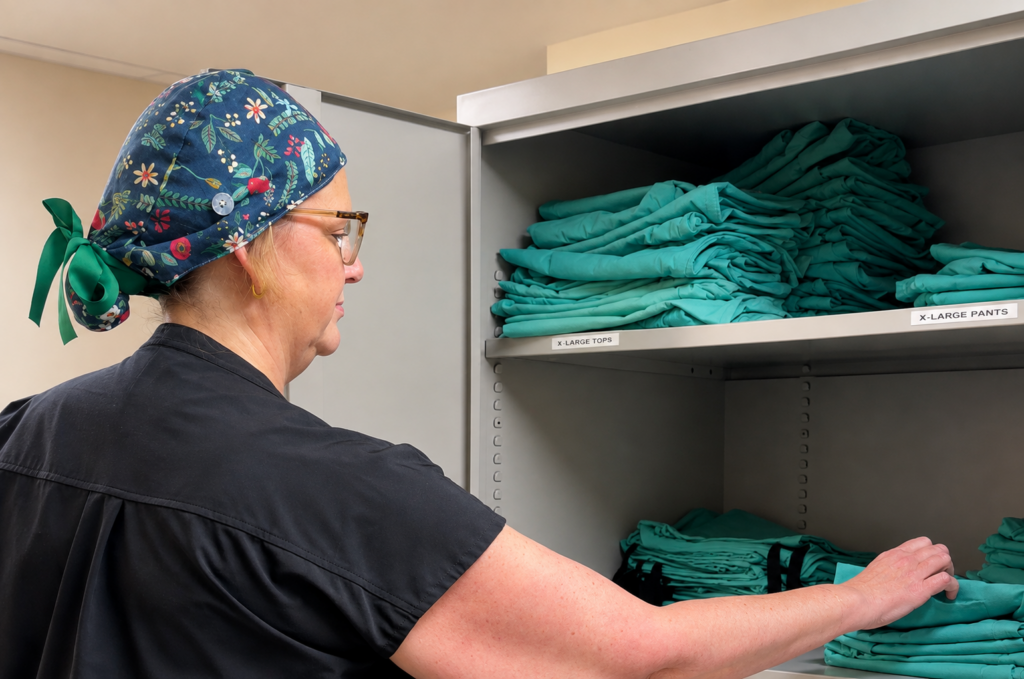
Healthcare teams should also consider how linen moves from central storage to individual departments and patient-care areas. Every additional touchpoint creates another opportunity for unnecessary handling.
Best Practices for Clean Linen Storage and Handling
- Keep clean linen in designated clean storage areas.
- Separate clean and soiled linen throughout the facility.
- Avoid placing clean textiles on floors or potentially contaminated surfaces.
- Limit unnecessary handling of clean linen.
- Keep storage areas clean, dry and organized.
- Use clean hands when distributing or handling clean textiles.
- Avoid overstocking patient rooms or treatment areas with more linen than is reasonably needed.
- Establish clear procedures for linen that enters a patient-care space but is not used.
CDC guidance also notes that clean, uncovered textiles stored for short periods have not been shown to increase healthcare-associated infections when kept in a clean location and maintained dry and free from soil or body-substance contamination.
Facility-specific policies should always be developed in coordination with infection prevention and environmental services teams and in accordance with applicable regulations and guidance.
Why Separating Clean and Soiled Linen Is So Important
One of the fundamental principles of healthcare textile management is maintaining separation between clean and contaminated products. That separation should exist throughout the process, not just inside the healthcare facility.
Inside a healthcare laundry, CDC guidance recommends maintaining areas that receive contaminated textiles at negative air pressure relative to clean areas. The purpose is to help minimize the potential for cleaned laundry to be recontaminated by aerosolized contaminated lint.
The same basic principle continues during transportation, delivery and storage: clean textiles should remain protected from contaminated textiles and other potential sources of contamination.
For healthcare providers, this makes workflow design an important part of linen management. The location of hampers, collection points, clean linen rooms and distribution carts can either support or complicate proper linen-handling practices.
Protecting Cleanliness Through Every Step
Professional laundering is essential, but the journey does not end when a textile is clean. Packaging, transportation, delivery, storage and distribution all play a role in maintaining that cleanliness until the textile is ready for use.
For healthcare facilities, examining the entire linen lifecycle can help identify unnecessary handling, opportunities for cross-contact and areas where clean and soiled workflows could be better separated.
For a healthcare linen provider, it means establishing processes that protect textiles beyond the wash process and through delivery to the customer.
Next in the series: Healthcare Linen & Infection Prevention, Part 3: Building a Strong Healthcare Linen Management Program