
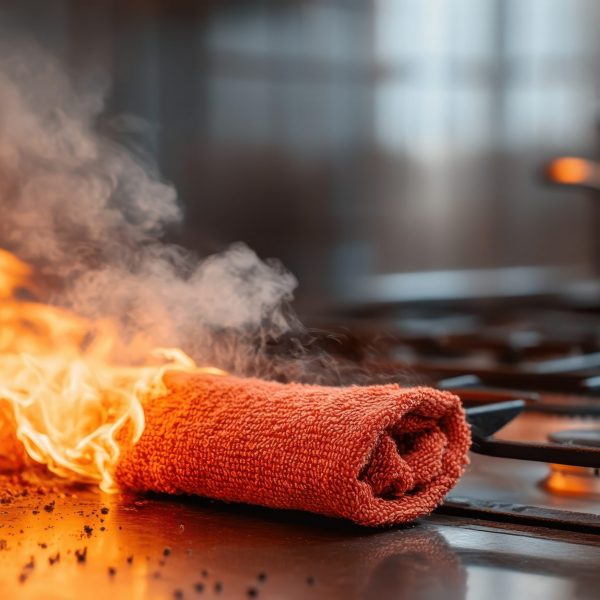
Protecting Linens from Extreme Heat: Summer Safety Tips for Your Business
As summer temperatures rise, so do the risks associated with improperly stored or handled linens. In both restaurants and healthcare settings, linen loss is already a costly problem – but when heat enters the equation, those costs can multiply in the form of spontaneous combustion, increased fabric wear, and dangerous fire hazards.
This blog covers everything you need to know to protect your linen inventory from extreme heat, including:
- Why heat is dangerous to commercial linens
- What spontaneous combustion is and how it occurs
- How linen service providers like Superior Linen Service help prevent heat-related hazards
- What your team can do if you self-launder or manage linen storage in-house
Let’s get started.
How Heat Becomes a Hazard for Linens
High temperatures combined with residual oils, chemicals, or improper storage can cause linens to ignite—even without an open flame. This phenomenon, known as spontaneous combustion, is particularly common in towels or napkins used to wipe oils, cleaning solvents, or grease.
According to the National Fire Protection Association (NFPA), spontaneous ignition of oily rags is a leading cause of structure fires in commercial laundries and restaurants.
And while grease fires remain the top cause of restaurant fires, flammable cleaning materials, towels, and rags stored improperly, especially near heat-generating appliances, contribute to a large portion of structure fires annually in commercial kitchens.
How it happens:
- A towel used on an oily surface absorbs organic oils.
- If that towel is not properly cleaned or fully dried (as can happen in many in-house or small-scale laundering setups) the residual oil may remain.
- The towel is placed in a warm environment or stacked with others before fully cooling. Lack of airflow allows heat to build in the linen storage area, accelerating the oxidation process.
- The oil begins to oxidize, generating heat internally.
- Over time, this heat builds to the point of ignition.
A recent National Park Service alert emphasizes that even freshly laundered towels that have not cooled properly have been known to combust after being stacked or bagged too soon. Their report documented multiple fires linked to improperly stored towels used for cleaning oils, lotions, or kitchen equipment.
Important Note for Superior Linen Service Customers: At Superior Linen Service, we use industrial scale washing machines and chemistry designed to remove more contaminants than is possible with a domestic washing machine. Our cleaning process also includes cooling cycles to reduce the amount of heat remaining in cleaned products.
The True Cost of a Linen Fire
Aside from the obvious fire risk and safety threat to employees and customers, heat-damaged linens result in:
- Premature wear and reduced lifespan of products
- Increased replacement costs (which can add thousands of dollars annually)
- Downtime during investigations or repairs
- Potential insurance claims and higher premiums
What Superior Linen Service Does to Prevent Heat Damage
At Superior Linen Service, we take linen safety seriously all year-round – but especially in the hot summer months. Here’s how we protect your inventory:
- Mesh Soil Collection Bags: Our customers are provided with unlimited nylon breathable mesh laundry bags that allow airflow throughout the linen to reduce the buildup of heat and gases. Plastic bags or covered bins are the most undesirable ways to contain wet, soiled linen, as they can contribute to chemical interactions, causing heat reactions.
- Controlled Laundering Conditions: Our commercial laundering facilities use precisely calibrated wash and rinse cycles to remove all grease, oil, and contaminants from high-contact items like bar mops and kitchen towels.
- Drying Time Management: Items are cooled prior to stacking, packaging, or delivery to avoid any residual heat buildup that could contribute to oxidation.
- Certifications That Matter: We’re a TRSA Hygienically Clean certified provider, which means our laundering processes meet industry standards for hygiene and safety.
What You Can Do If You Manage Laundry In-House
If your facility still launders linens on-site or stores soiled linens internally before pickup, it’s important to follow some basic heat safety precautions.
1. Never Store Soiled Linens in Sealed Plastic Bags
Plastic traps heat and moisture – two key elements in spontaneous combustion. Use mesh or breathable containers for storing soiled linens.
2. Let Linens Cool Before Bagging
Whether just used or laundered on-site, linens should cool completely before stacking or bagging. According to the National Park Service, multiple facility fires have been attributed to bagged towels that were still warm after laundering.
3. Avoid Mixing Soiled and Clean Linens
Keep dirty items separate from fresh stock to avoid cross-contamination and heat transfer.
4. Train Staff to Identify High-Risk Items
Towels soaked in oils, solvents, or cleaning chemicals should be isolated or disposed of appropriately – not sent through a standard in-house wash.
5. Keep Storage Areas Cool and Ventilated
Avoid linen closets near dishwashers, ovens, or water heaters. The goal is a dry, cool, and well-ventilated space.
6. Don’t Overload Laundry Machines
Overloading can lead to incomplete cleaning and drying, increasing combustion risk.
Common Summer Linen Hazards at a Glance
| Risk | Source | Prevention |
|---|---|---|
| Spontaneous combustion | Oil-soaked towels, sealed plastic bins | Use mesh bags, cool linens before bagging |
| Heat degradation | Stored near appliances | Store in cool, dry rooms |
| Mold or mildew | Humidity, poor air circulation | Ventilated storage, timely pickups |
Stay Safe This Summer
As the heat rises, so does your responsibility to protect your team, your customers, and your business. With just a few precautions – or by partnering with a professional linen provider – you can dramatically reduce the risk of heat-related linen damage.
At Superior Linen Service, we partner with our clients to keep linen programs clean, cost-efficient, and hazard-free all year long.
Need a linen safety assessment or want to update your summer pickup plan? Contact us here for a no-obligation quote or consultation.