
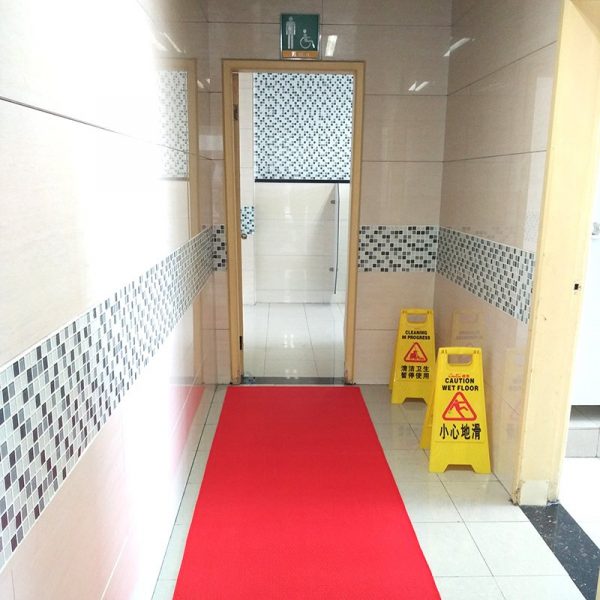
Spring is known for its unpredictable weather, often bringing heavy rains that can lead to slippery floors and increased risk of accidents. In environments like restaurants, healthcare facilities, and offices, slip and fall incidents jeopardize employee and customer safety and can lead to legal liabilities. Fortunately, with the right measures, you can protect your business from these hazards.
Understanding the Risks: How Wet Floors Contribute to Falls
Wet floors are one of the leading causes of workplace injuries. According to the National Floor Safety Institute (NFSI), over 2 million fall-related injuries occur every year due to flooring conditions, with wet surfaces being a major contributor. These incidents are particularly prevalent in spring, as rainwater gets tracked indoors, creating hazards in entryways, hallways, and other high-traffic areas.
Examples of high risk areas include:
-
- Restaurants: Wet floors in dining rooms and kitchens increase the likelihood of slips, particularly during peak service times.
- Healthcare Facilities: Patients and visitors are at greater risk due to mobility challenges and sensitive areas requiring sterile conditions.
-
- General Business Offices: Entryways and lobbies can quickly become hazardous as rainwater and mud accumulate, leading to potential liability issues.
1. Use Entrance Mats to Minimize Water Tracking
Entrance mats are essential for maintaining clean and safe floors, especially during wet conditions. Many mats are designed to absorb up to 1.5 gallons of water per square yard, effectively reducing the amount of moisture tracked into a facility. Here’s how to maximize their effectiveness:
-
- Choose Absorbent Mats: Opt for mats made of moisture-trapping materials to prevent puddling at entry points.
- Use Multiple Mats: Create a “matting system” with scraper mats outside the entrance, absorbent mats inside the door, and additional mats at transition areas.
-
- Ensure Regular Maintenance: Clean and replace mats regularly to maintain their performance.
Superior Linen Service offers durable, certified slip-resistant walk-off mats and custom logo mats designed to keep your entryways clean and safe.
2. Implement Effective Spill Management Procedures
Spill management is critical to maintaining a safe environment, especially during rainy spring weather. According to OSHA (Occupational Safety and Health Administration), slips, trips, and falls are among the leading causes of workplace injuries (osha.gov). Following OSHA’s best practices can help businesses mitigate these risks:
-
- Immediate Response: Train employees to act quickly when a spill occurs. This includes using absorbent materials like microfiber cloths or mop systems to clean up liquid hazards effectively. Rapid response can prevent small spills from spreading and becoming larger safety risks.
- Use of Warning Signage: Place highly visible wet floor signs around spill areas to alert passersby. Signs should be durable, placed in strategic locations, and removed only after the area has been fully dried to minimize confusion.
-
- Employee Training: Regularly train staff on proper spill management protocols, including identifying potential hazards, using appropriate cleaning tools, and understanding when and how to escalate issues. Employees should also be familiar with site-specific procedures tailored to high-risk zones such as entryways and kitchens.
-
- Access to Supplies: Ensure that spill cleanup materials are easily accessible throughout the facility. This includes placing spill kits, mop stations, and wet floor signs in key locations.
-
- Preventative Measures: Implementing preventative strategies such as slip-resistant floor coatings, routine inspections, and proper mat placement can significantly reduce the frequency of spills and related accidents.
By adhering to these OSHA-recommended practices, businesses can create a safer environment for both employees and customers, reducing liability and enhancing overall safety.
3. Maintain Restrooms to Prevent Slip Hazards
Restrooms are another critical area where slips can occur. Water from sinks, overflowing fixtures, or leaky plumbing can accumulate on the floor, leading to dangerous conditions. To improve restroom safety:
-
- Install Non-Slip Mats: Use urinal mats and anti-fatigue mats in restrooms to minimize moisture buildup and protect floors.
- Monitor Conditions: Schedule regular checks to ensure that floors remain dry and clean throughout the day.
4. Schedule Regular Floor Maintenance
Preventative maintenance can reduce the likelihood of accidents by keeping your floors in optimal condition. Essential maintenance tasks include:
-
- Daily Cleaning: Sweep and mop high-traffic areas to remove moisture, dirt, and debris.
- Deep Cleaning: Perform periodic deep cleans to eliminate hidden grime and improve surface traction.
-
- Floor Inspections: Regularly inspect for damage, such as cracks or uneven tiles, and address repairs promptly.
By investing in maintenance, businesses not only improve safety but also save money on long-term flooring replacements.
Key Takeaways
Spring weather presents unique challenges for maintaining safe floors. By implementing solutions like high-quality mats, rapid spill management, and regular maintenance, you can greatly reduce the risk of slips and falls in your business. These efforts not only protect your employees and customers but also enhance your business’s reputation and operational efficiency.
For more information on how mats and mops can help keep your business safe, contact Superior Linen Service at 800-749-9040 or submit a request for tailored solutions.