
How Industrial Laundries Reduce Water, Energy and Waste
Industrial laundry operations are often misunderstood. Many assume that large-scale washing automatically means higher water use and greater energy consumption. In reality, modern industrial laundries are engineered for efficiency. Through water reclamation systems, heat recovery technology, precision chemistry, and optimized logistics, commercial facilities are designed to process large volumes of textiles while reducing environmental impact.
Understanding how these systems work helps explain why industrial laundry, when done correctly, can be more resource-efficient and cost-effective than residential or small on-premise laundry setups.
Reducing Water Through Reuse and Filtration
Water management is one of the most important components of an efficient industrial laundry operation. Instead of using fresh water at every stage of the wash cycle, commercial facilities often reclaim, filter, and reuse water internally.
The U.S. Environmental Protection Agency identifies industrial water reuse as a key strategy for reducing freshwater withdrawals and improving sustainability in processing environments. In commercial laundry systems, rinse water from later cycles can be reclaimed and reused in earlier wash stages. Advanced filtration methods, including ceramic filtration, allow water to be cleaned and reused without compromising hygienic performance.
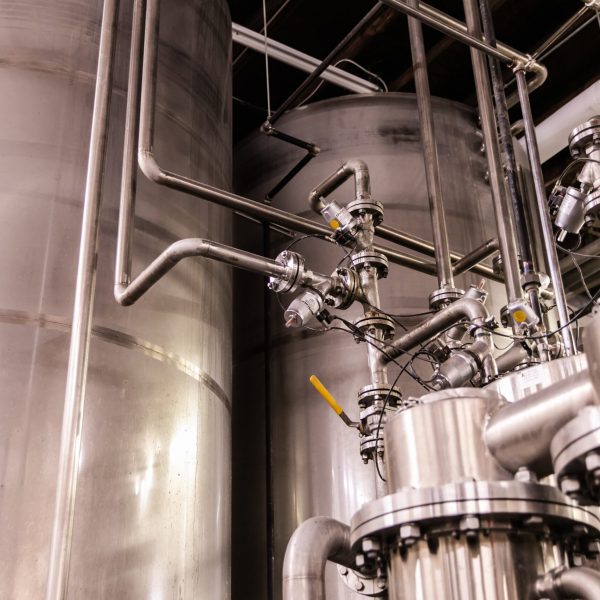
At our Western Division in Tulsa, we utilize a water reclamation process that filters and reuses water throughout the wash system. By monitoring gallons used per pound of laundry processed and recirculating filtered water, the facility significantly reduces the amount of fresh water required while maintaining the highest cleaning standards.
If you would like to see how our wastewater reclamation system operates, watch our short overview video on the Superior Linen Service Instagram page!
Capturing and Reusing Heat
Heating water is one of the most energy-intensive components of laundry processing. Instead of allowing heated wastewater to drain away unused, many industrial laundries install heat recovery systems.
The U.S. Department of Energy explains that waste heat recovery systems can significantly reduce fuel consumption in industrial operations by transferring heat from discharge streams to incoming water. In laundry facilities, shell-and-tube heat exchangers allow outgoing hot wastewater to preheat incoming fresh water without mixing streams. This reduces boiler demand and lowers natural gas usage while maintaining consistent wash temperatures.
Our facilities use shell-and-tube heat reclaimers to capture energy that would otherwise be lost. That recovered heat supports overall energy efficiency and operational consistency.
Precision Chemistry Reduces Waste
Modern industrial laundries rely on automated chemical injection systems that calculate detergent and additive amounts based on textile weight and soil levels. The American Cleaning Institute notes that optimized detergent dosing improves cleaning effectiveness while reducing excess chemical discharge and unnecessary rinse cycles.Precision dosing reduces chemical waste, protects textile fibers, and minimizes water required for additional rinsing. It also ensures consistent wash results across thousands of pounds of textiles each day.
Extending Textile Life Reduces Landfill Impact
Reducing waste is also about extending the useful life of textiles. Reusable healthcare textiles processed in centralized commercial laundry systems can produce lower environmental impacts than single-use disposable alternatives across their lifecycle. By carefully controlling wash formulas, mechanical action, and drying processes, industrial laundries help extend textile life and reduce replacement frequency. Longer textile life means fewer raw materials consumed and less waste entering landfills.
Efficient Routing and Fleet Management
Resource efficiency extends beyond the plant floor. Transportation efficiency also plays a meaningful role in reducing environmental impact. Industrial laundries that organize territorial delivery routes and optimize scheduling reduce unnecessary mileage, fuel consumption, and emissions per customer served. Strategic routing ensures consistent service while minimizing environmental footprint.
Why This Matters for Your Business
When you partner with an industrial laundry that invests in water reclamation, heat recovery, precision dosing, and efficient routing, you are working with systems designed to conserve resources at scale. These efficiencies are engineered into the facility, not improvised. That translates into responsible resource use, operational stability, and measurable environmental benefits.
If you would like to learn more about how our facilities operate or see our wastewater reclamation system in action, contact Superior Linen Service or watch our plant tour.